This week’s post is a little different from my usual content. I promise the next ones will get back to being technical.
Prefer to watch instead of read? Here is the full video:
A question I get asked a lot is: how do I become an MVP? How do I win the award?
You have probably seen it on LinkedIn lately. Your feed fills up with existing MVPs posting that they have been renewed for another year, humbled and honoured. Renewals happen on an annual cycle. We log all the contributions we have made to the community, and if they are deemed enough, we get re-awarded.
So it is a bit of a process. And, to be transparent, it is a bit of a mystery… even to those of us who are MVPs.
Rather than answering the question one DM at a time, I figured I would put it all in one place. Here is how it actually works, and what the award is really about.
What is the MVP award?
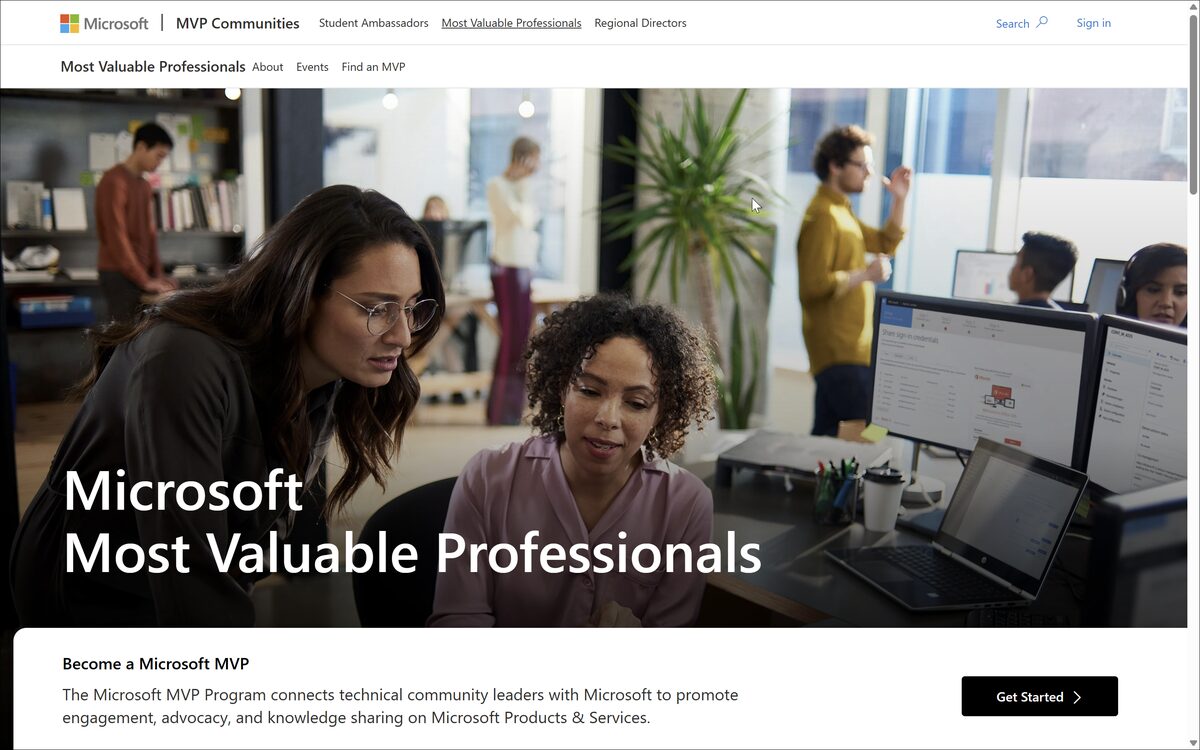
Straight from Microsoft’s website: the Microsoft MVP program connects technical community leaders with Microsoft to promote engagement, advocacy, and knowledge sharing on Microsoft products and services.
That is a polished way of saying we provide a lot of free marketing for Microsoft. But we get real benefits too, and I will get to those.
Reading a little further on their site, it is an award given to people who are actively participating and contributing in the wider Microsoft technology community.
I am going to use that word a lot. Community. Because that is really what the whole thing is about.
What do I mean by “community”?
From my perspective, the community is a group of people from different backgrounds, from all around the world, who freely share what they know.
We do it online, at events, at conferences, at user groups, and at meetups. And whether someone is an MVP or not, the thing they have in common is helping others.
Think about your own career. When you were stuck on something, chances are an MVP had written a blog about it, recorded a video on it, or presented a session on it. That content helped you finish your project, do it better, advance your career, maybe even land a new gig.
That is the kind of content MVPs put out. Yes, we are promoting Microsoft products along the way. But really it is about learning, and helping people use these products well.
Microsoft puts a lot of effort into building great products. We give a lot of feedback on them too, both good and bad, and ideas on how to make them better. The whole thing runs on sharing and collaborating.
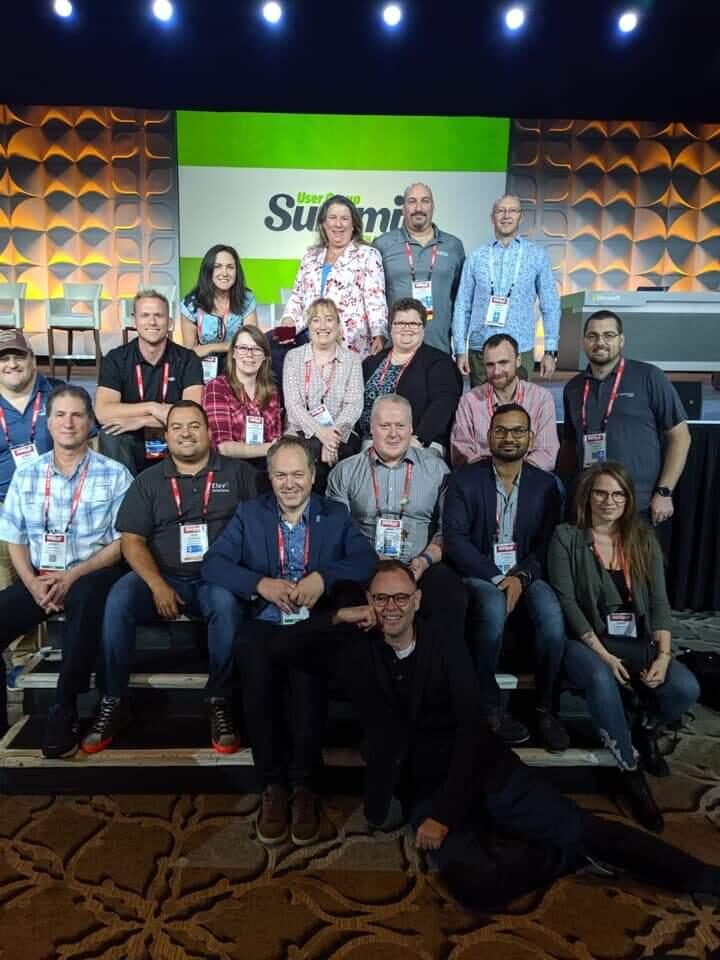
Examples of community contributions
There are more ways to contribute than most people think. A few of them:
- Blog posts and articles (your own site, LinkedIn, Substack, wherever)
- YouTube videos (like the one this post is based on)
- Presenting at a user group, meetup, or conference
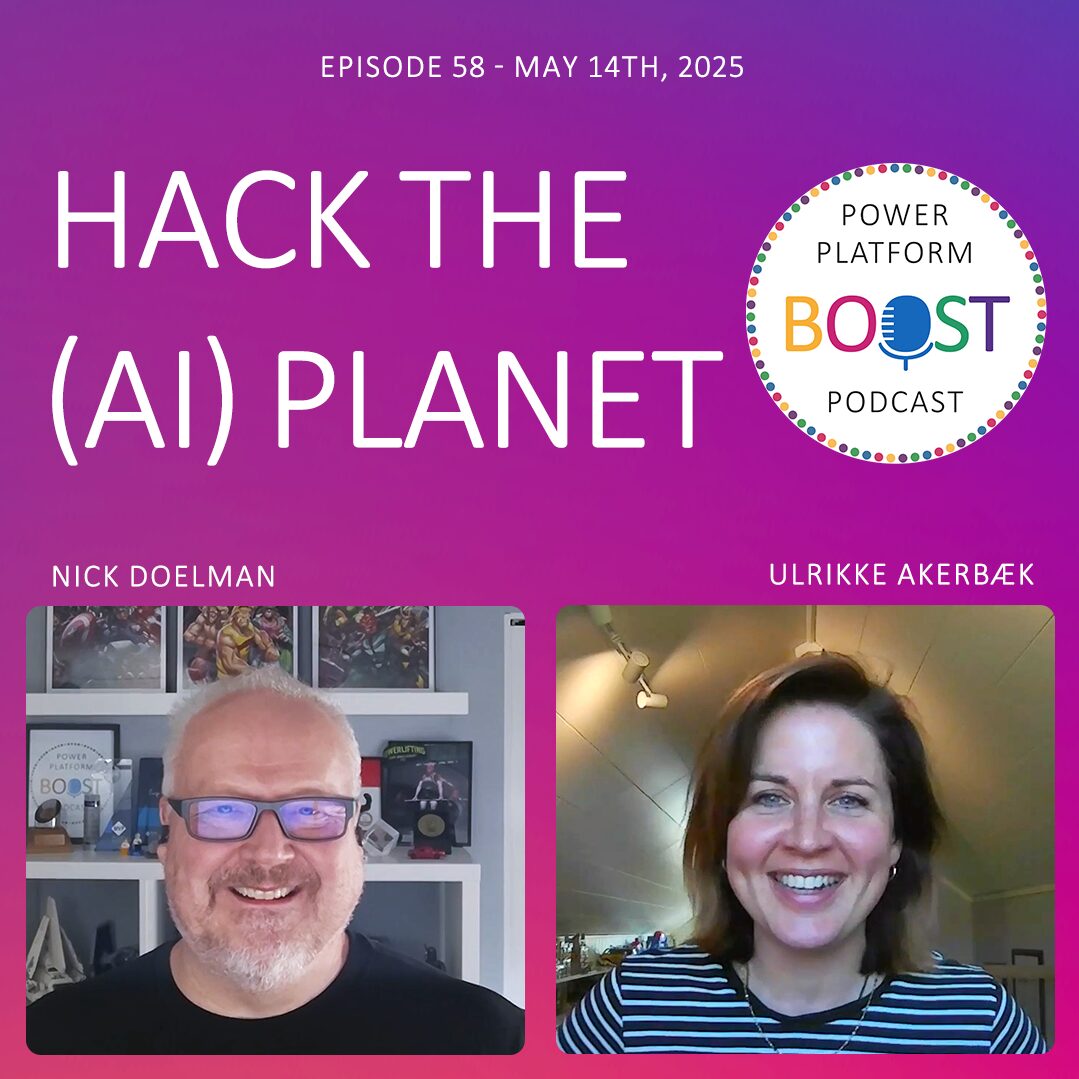
- Podcasts (Ulrikke and I record the Power Platform BOOST podcast every couple of weeks)
- Mentoring newer folks and helping new grads find their footing, especially in this AI world that seems to shift hourly
- Building open-source tools like the XrmToolBox or the Power Platform Toolbox
- Creating skills, plugins, and other AI tooling
- Answering questions on the community forums (this was a big one for me early on)
- Organizing events (I help run the Canadian Power Platform Summit and pitch in with the Dynamics User Group)
And there are so many more. Events like Tallin Cloud Technology, Color Cloud, Nordic Summit, and Scottish Summit are put together by the community, for free, on people’s own time, so you can show up and learn. Same with hackathons… the Arctic Cloud Developer Challenge is one of my favourites.
Why do we do it? The benefits
Do we do this to brag? Not really. Most MVPs are pretty humble and do not love talking themselves up.
The biggest benefit for me is meeting like-minded people. Think about it: this is business software. It is possibly the most boring thing in the world to most people. But we are all genuinely excited about it, about solving problems and moving things forward. Some of the people I have met this way have gone well beyond colleagues. Some of my best friends came out of this community.
A few of the more concrete benefits:
- Early access to features still in development, with private previews where we give feedback (and sometimes a bit of criticism). I have watched that feedback range from “this is great, when can we have it?” to “why are you wasting your time building this?”
- Direct access to the Microsoft product teams and their leaders. We have a mailing list, and once you build the relationships, you can email a product manager and get a reply (while respecting their time)
- The MVP Global Summit every March, where MVPs gather near Redmond to meet the product teams and each other. There is a cost involved, though. Despite what you may have heard, Microsoft does not pay for your flights or hotel (they used to subsidize the hotel a little… I wish they would bring that back, but that is a rant for another day)
- Some software licenses, depending on your award category
- Credibility. You are viewed as a leader, which does help land projects whether you are on staff or freelancing
The idea is not to make money. But, to be transparent, it does not hurt. I know that is a little controversial to say out loud, so I will just leave it there.
You also get easier access to conferences, often a free ticket, and sometimes travel and expenses covered.
How do you actually become one?
Here is the first thing I want to say, and it is going to sound strange.
Don’t try.
If you are chasing the MVP award like a certification or a degree, something to grind toward, you have the wrong approach. It is not something you earn by checking boxes. It is something you get awarded for doing community work you would be doing anyway.
Whether the award existed or not, I would still be making videos, writing blogs, and speaking at events. I really enjoy it. It is a hobby. If it felt like a chore (“ugh, I have to record another video so I can become an MVP”), that is the wrong attitude, and the program is probably not for you.
That said, here is what actually moves the needle:
- Start creating content. Blogs, videos, whatever fits you. We will get into ideas below.
- Track everything. Every blog you post, every session you speak at, the date, and how many people were in the room or watched. Keep it in a spreadsheet or a notepad. You will need those numbers later.
- Be active on social media. Share your own content and, just as importantly, other people’s. A visible, consistent voice is valuable.
- Be consistent. Do not publish 30 blog posts in one weekend. Spread them out. Weekly is great, every couple of weeks is fine. Keep it up for at least six to twelve months.
- Network with other MVPs. At a conference or user group, introduce yourself. We are human, we love meeting new people, and we love hearing that our content helped you. Ask questions. Sometimes we will have questions for you too.
And one more thing. If you want to become an MVP, you should not have to ask anyone to nominate you. If you have to ask, you are not ready.
If you are creating content, speaking, and showing up, someone will approach you. Either someone from Microsoft or another MVP. Those are the people who nominate you. If you find yourself having to ask to be nominated, you are probably not ready yet. I know that sounds harsh. But stay consistent, keep putting the work out there, and eventually someone will say, “have you ever thought about becoming an MVP?” That is when you know you are in the right range.

“But I don’t have any ideas for content”
I hear this all the time. So go watch some YouTube videos, read some blogs, and see what other people are posting. Let that get the ideas flowing.
Share what you learn. If you figured out something clever on a project, share it. Rebuild it in a trial or developer environment first, and do not give away your client’s secrets or details. But if you learned something cool, put it out there.
And here is the big one: do not let “someone already covered this” stop you.
This past week alone I saw three different videos on the Power Automate MCP server. A couple of weeks back, everyone was posting about the new Copilot Studio. That is fine. I heard a good analogy recently. Here in Canada, IGA sells milk. So does Superstore. So does Loblaws. Is Loblaws going to stop selling milk because IGA has it? Of course not.
You have your own take, your own insights, your own style. When the new Copilot Studio dropped, I watched videos from Reza Dorrani, Howdang Rashid, and Matthew Devaney. Same topic, three viewpoints, three styles, all valuable. Some people will connect with your version more than anyone else’s.
Also, do not chase perfection. This video I based the post on? I hummed, I hawed, I probably paused in the wrong spots. Your first ten videos or blog posts will make you cringe when you look back at them. I listened to episode one of our podcast recently and it sounded like Elaiza and I recorded in a bathroom. So echoey. So bad. But you just go do it, put it out there, and you get better. You hone the craft over time.
Then share it on the socials. Advocate for your own work.
Speaking at conferences
Public speaking is not for everyone, and that is completely fine. But if it is something you want to try, here is how I would approach it.
Attend a lot of sessions and take notes. Which ones did you like? Which ones were boring? Which ones had you leaning in? Pull ideas from all of it.
Then start small. Local user groups and community calls are often short on content and actively looking for speakers. That is a great place to find your feet.
When you do submit to an event, read the guidelines. Every conference publishes what they are looking for. Do not pitch an Azure Windows Server session to a Power Platform conference. Align to what they want.
A few more tips:
- Team up with an established speaker. Some events, like Nordic Summit, run mentoring programs that pair you up. Some of my best sessions have been collaborations with other MVPs. You riff off each other, and it is a lot of fun.
- Treat the session description as the pitch. When you read a session abstract, that is usually exactly what the speaker wrote to get selected. Learn from the good ones. Do not just submit “I want to talk about Power Pages.” Say why the session matters, what you will show, and how. Make it dynamic. Those are the ones that get picked.
- Build a library of sessions. I am presenting the same session at several events this year. When a call for submissions opens, I can pull three that fit. Microsoft renames and changes things, so I rework some and retire others (I do not talk about going from on-prem to the cloud anymore). Evolve your talks and keep the library growing.
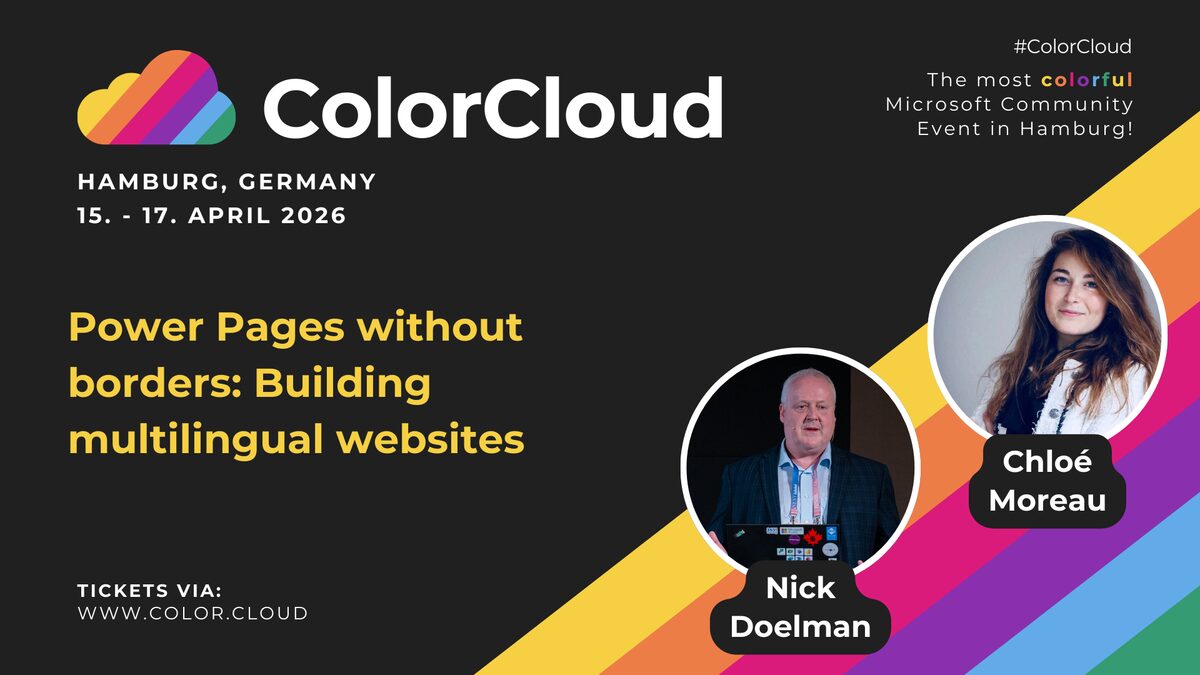
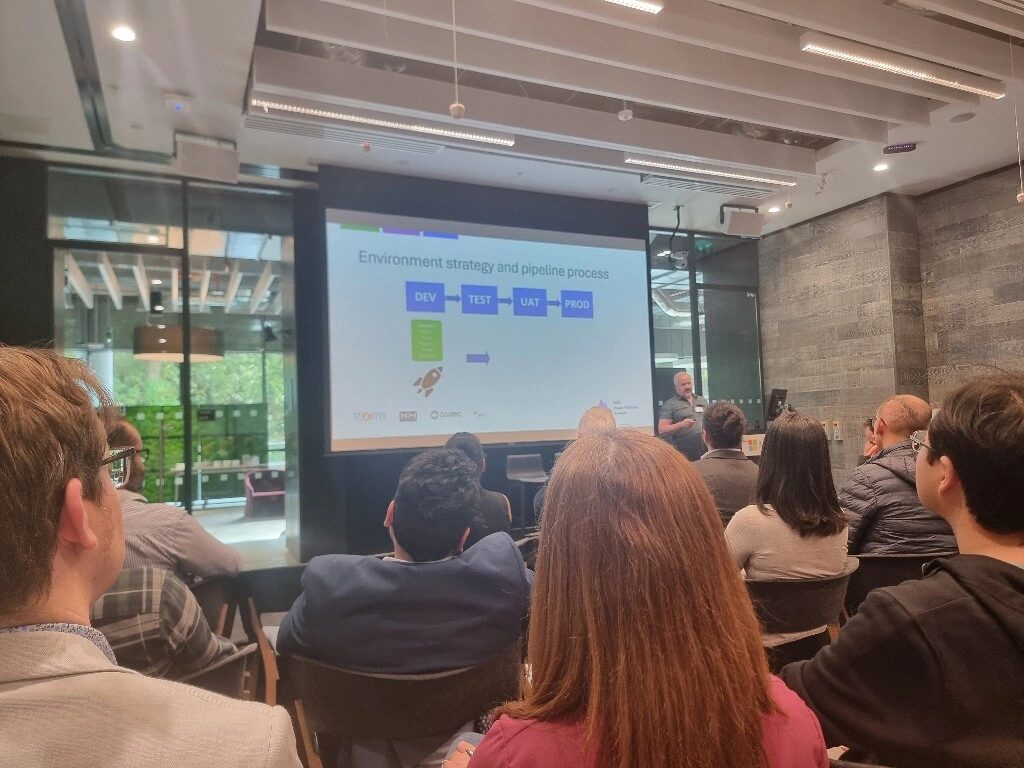
Other ways to contribute
Speaking and blogging are the obvious ones, but there is more:
- Mentoring. Helping people with speaking, writing, or their projects.
- Event organization. These events do not run themselves.
- Writing technical books. It counts as a contribution, though it is barely a paid gig. To be transparent, I am not too keen on it, because the tech is out of date by the time you finish the chapter.
- Open-source community tools. The Power Platform Toolbox and XrmToolBox are always looking for new tools.
- AI skills and plugins. A newer and growing category.
Whatever you build, you need to demonstrate reach and value. How many people downloaded your tool? How many attended your session? How many views did the video get? From what I understand, that is what Microsoft looks at when awarding.
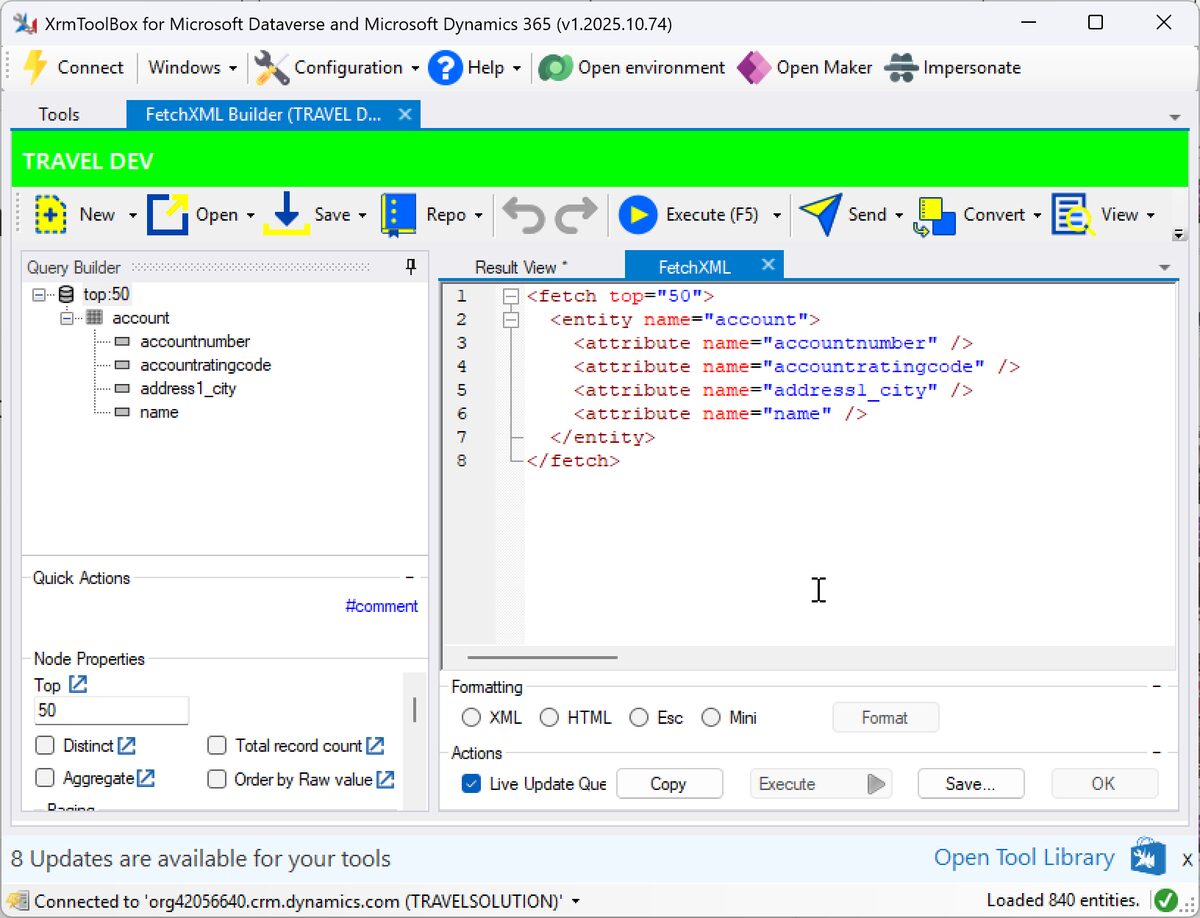
Logging your contributions
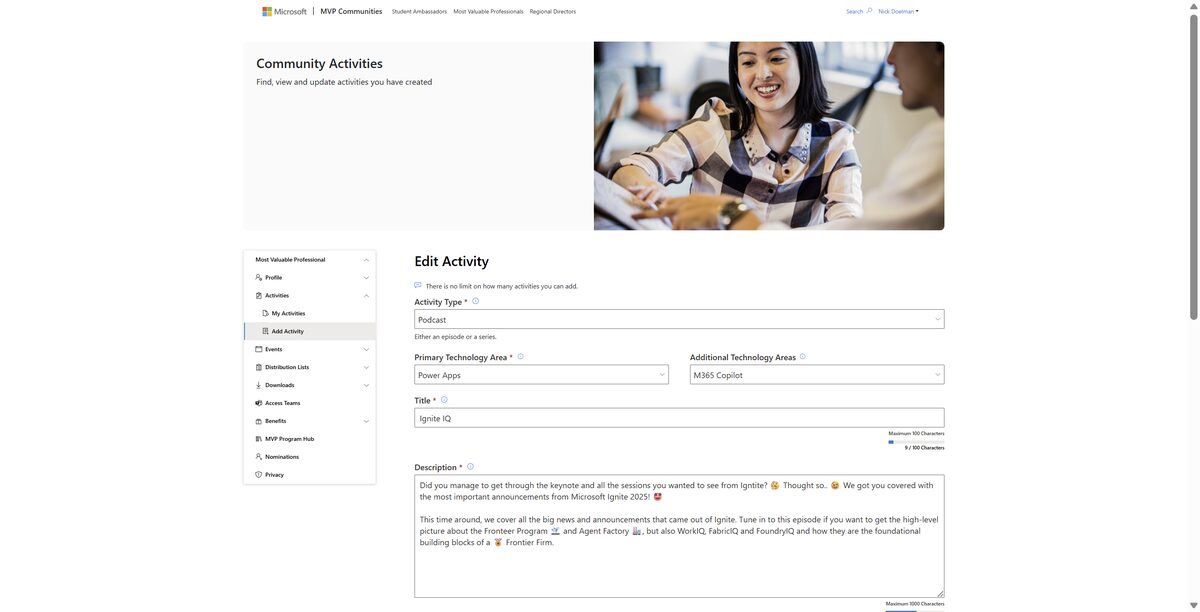
This is why the tracking matters. When someone nominates you (or when you renew), you log into a portal and fill in all your contributions: blog posts, podcasts, videos, and the numbers behind them.
You then identify your top 25 contributions, plus any others, and answer a few questions about them. It is the same process we go through every year at renewal time.
About renewals
The renewal deadline is usually March 31st, and awards are announced the following July. That is why your LinkedIn feed floods with “humbled and honoured” posts around the same time each summer.
New MVPs get awarded pretty much every month, so if someone is newly awarded you will usually see it on the first of the month. There is also some grandfathering, so if you are awarded in, say, January, you do not immediately have to renew.
There is no published criteria for exactly what you need. What I have laid out here is based on what we have seen, so hopefully it is a useful guide.
For people who do not get renewed, honestly, in most cases they know. They know they did not put out much content that year. Life takes over. People get married, get divorced, have kids, start new jobs. Sometimes you just cannot keep up, and that is fine. This is not the be-all and end-all of your existence, MVP or not. Some of us need reminding of that once in a while.
The award categories
There are a whole series of categories, and they shift over time (sometimes merged, sometimes split):
Microsoft Azure, AI, Developer Technologies, Microsoft 365, Windows and Devices, Security, Data Platform, Business Applications, Mixed Reality, Power Platform, and Enterprise Mobility.
Here is the important part: you do not have to be a developer, or even deeply technical. I know an MVP who worked as a recruiter and was awarded based on her community contributions around the Microsoft space. Functional consultant, developer, project manager, whoever… if you are creating content that is valuable, you can become an MVP.
A bit about my own journey
Everyone’s path is a little different. Here is mine.
I was on a project where I had to set up something called Adxstudio Portals, which back then was a third-party product that bolted onto Dynamics CRM. I had to dig into it and learn it, and to keep track of my own learning I started writing a blog: how to set up the servers, the lists, the forms, all of it.
I kept at it regularly, and it caught the attention of some people at Microsoft and in the community. I started going to conferences, and then presenting at them.
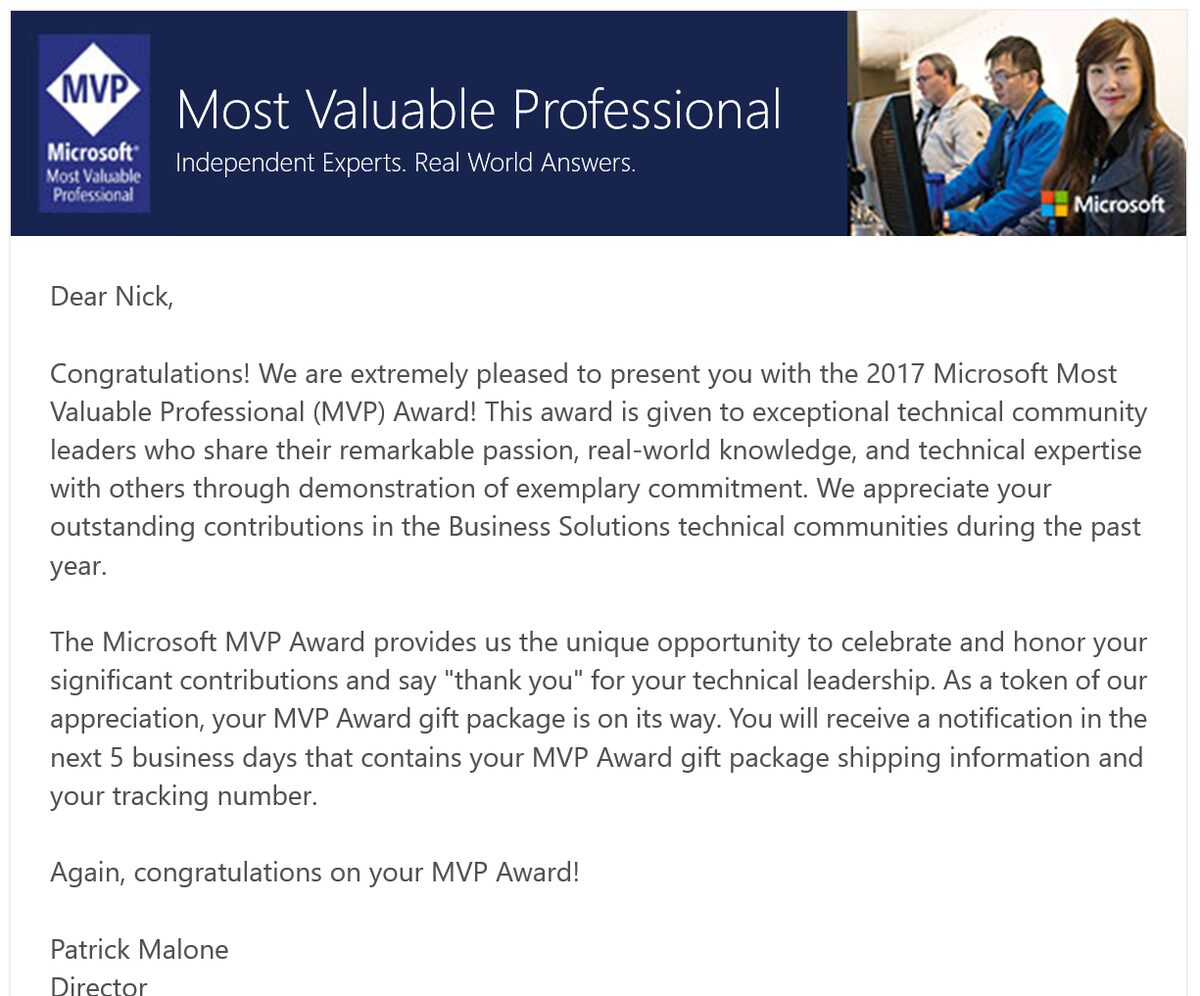
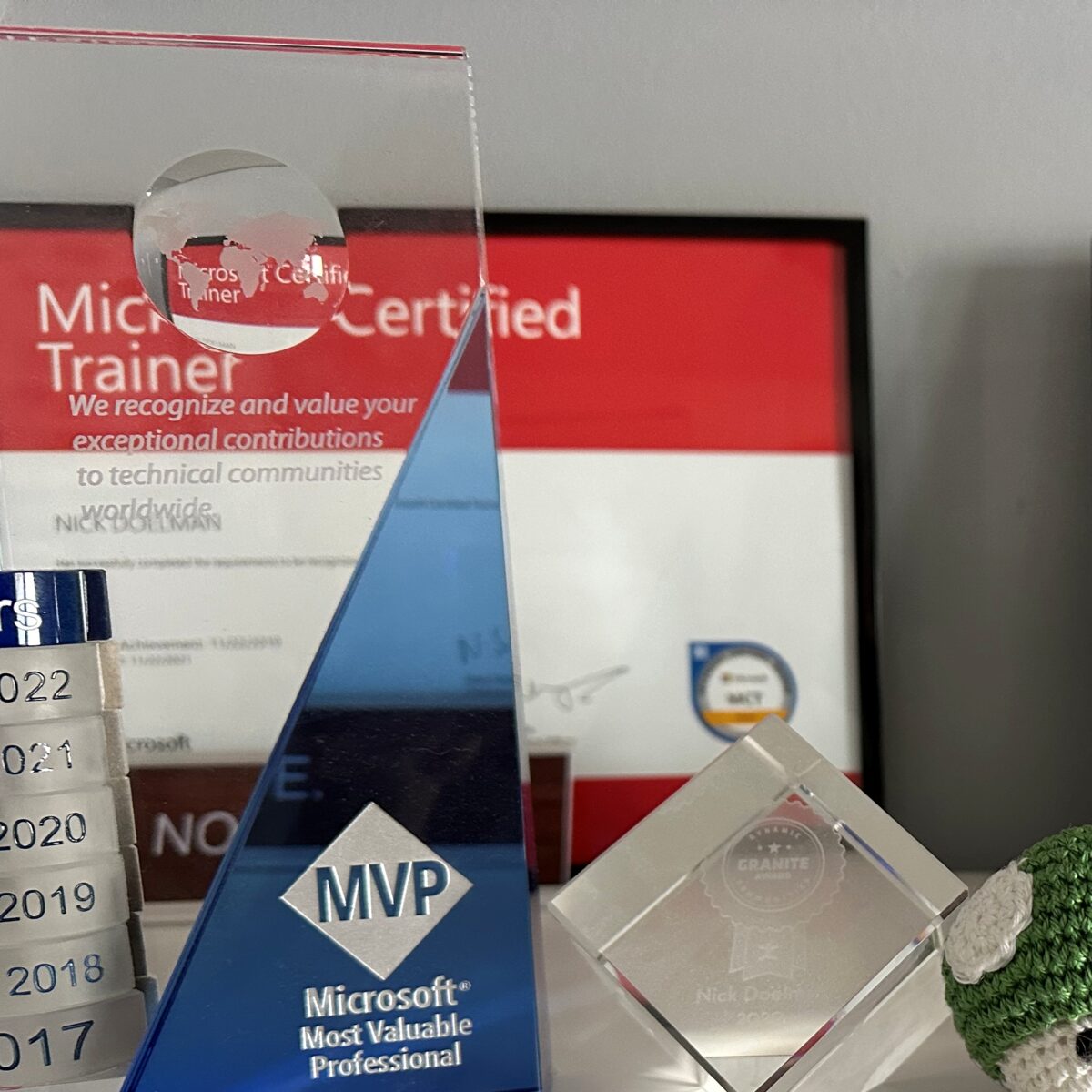
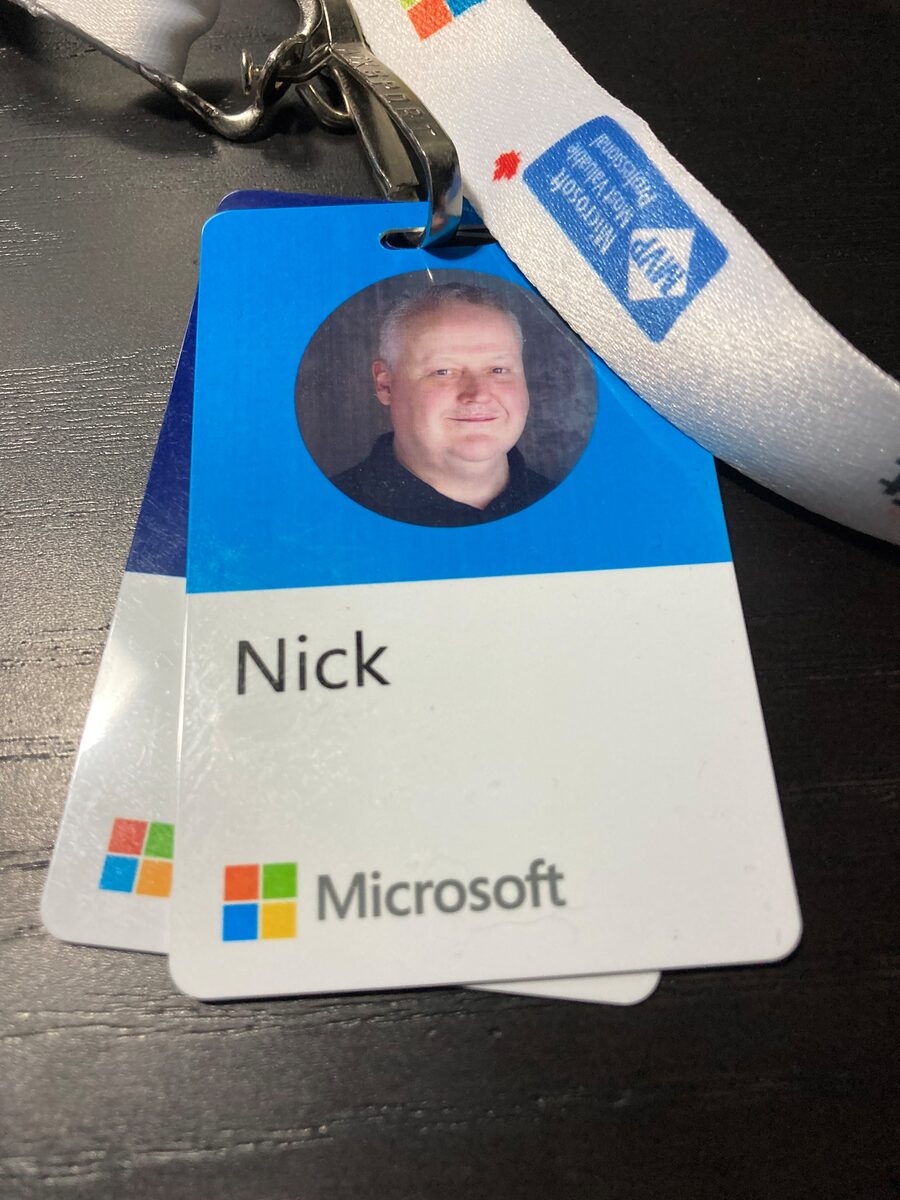
That led to my very first Microsoft MVP award on April 1st, 2017. I genuinely thought it was a joke. I was surprised, because I had followed a lot of MVPs and their content had helped me so much. It felt pretty great to be part of that group.
That award opened doors. Training opportunities. Lots of travel, which I love (I am happy being on a plane every couple of weeks, going somewhere new and seeing the community). And more friends than I can count.
My journey took a turn in 2021 when I joined Microsoft. Another former MVP told me joining Microsoft is how you “graduate” the program. Plenty of MVPs have gone on to Microsoft, but it is not a guaranteed career path, and you do not need to become an MVP to work there either. It is just one route.
I later left Microsoft on my own, because I am much happier as a freelancer, and I was re-awarded shortly after. One note if you are considering this: from my understanding there is now a one-year waiting period after leaving Microsoft before you can get back into the program.
It is really about the tribe
I want to step past the award for a second, because this goes beyond the MVP program.
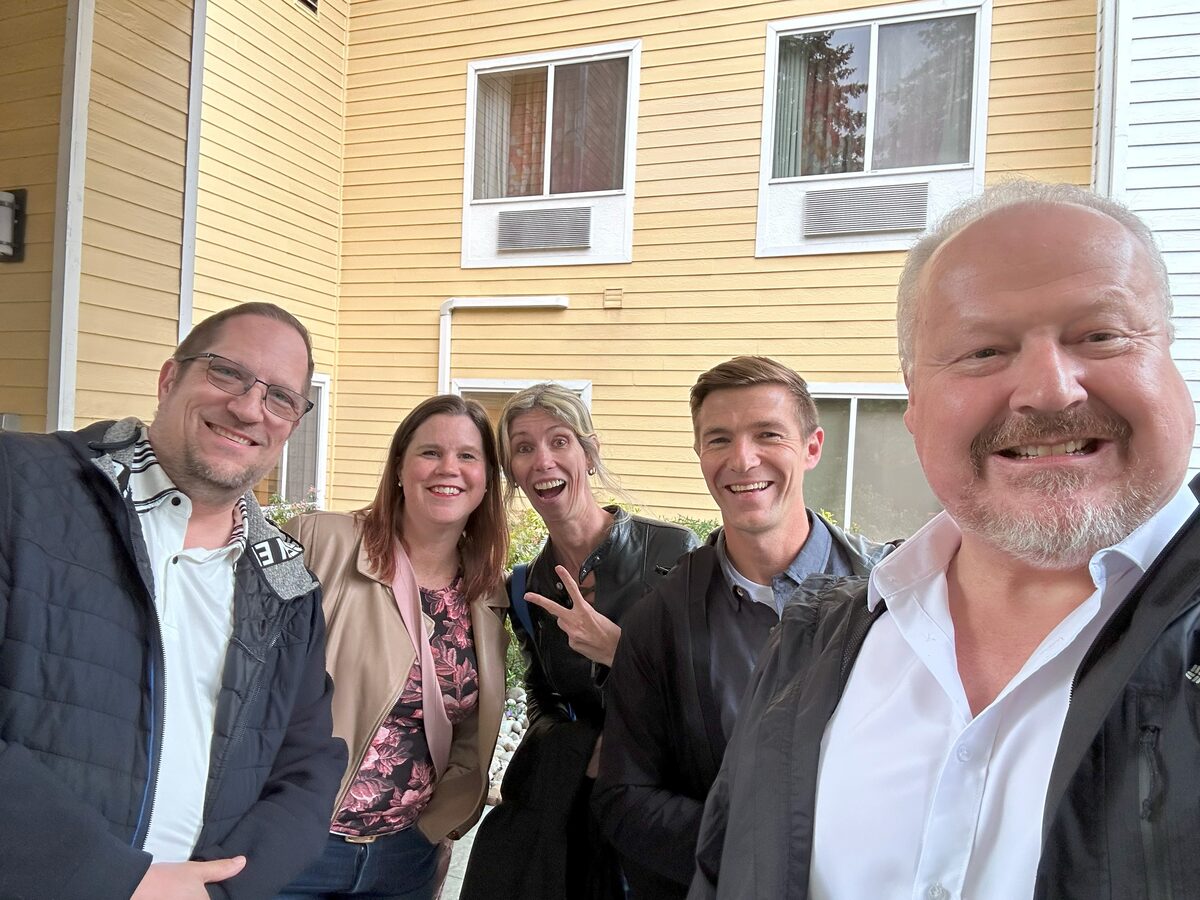
Yes, we talk about business software. But what this community really built for me is a tribe. As adults, making real friends is hard. This community gave me people I can call.
I am actually on vacation as I write this, and today I talked with friends I met through the community. Not about work. About life… kids, health, jobs, the usual. That is something special, and it outlasts any of the accolades.
One more thing: have other hobbies
This matters. Have a life outside of all this. Drawing, writing, staying healthy, whatever it is for you.
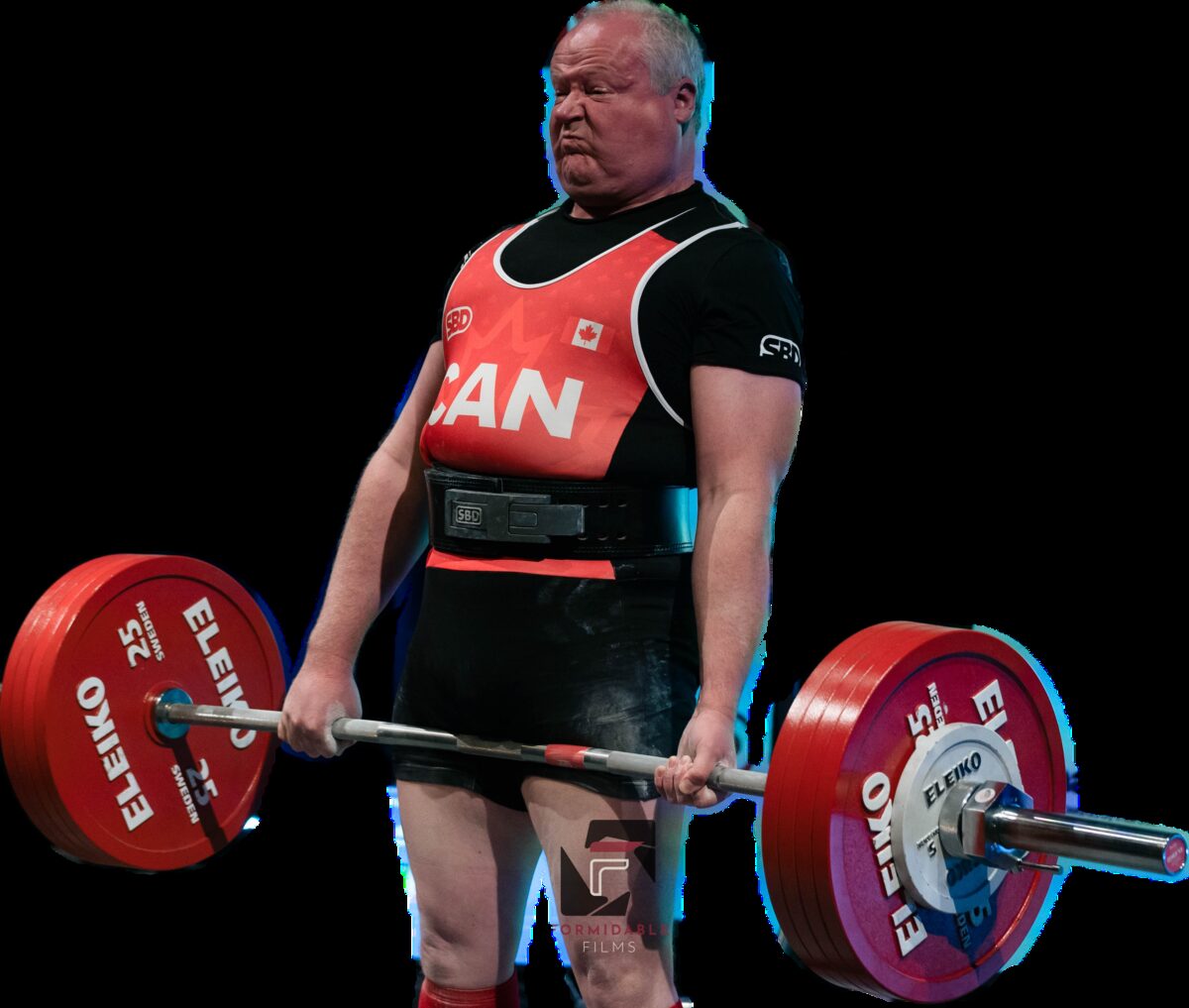
Some of you know this already, but I am a competitive powerlifter. I train three or four times a week and compete internationally in the Masters division (that is the polite name for the old-guy division). It has helped me mentally, and it pulled me through a burnout a few years back.
Doing the MVP stuff is fun. Trying new software is fun. But put something else into your life too. And for those of you with families and small kids, that already takes up a lot of time, so do not abandon those people. They are your biggest champions.
Wrapping up
Hopefully this helps if becoming an MVP is something you are interested in.
Do the things I talked about. Put out some content. Start writing. If you do not know where to begin, look at what is already out there and get inspired by it.
If you are more of an introvert, I know walking up to a speaker at a conference is a challenge. But you asked how to become an MVP, and this is how it gets done. Go introduce yourself. Start interacting with people.
If you have questions, leave them in the comments… I am happy to answer them and point you in the right direction.
Looking forward to your “humbled and honoured” post!
Nick Doelman is a Microsoft MVP (8x), podcaster, trainer, public speaker, and competitive Powerlifter. Follow Nick on X at @readyxrm, Instagram, LinkedIN, and Bluesky.
Need Power Platform expertise, training or implementation help? Check out Nick’s website for more details.
Listen or watch the the Power Platform Boost podcast with Nick and co-host Ulrikke Akerbæk every second week for news and updates from the Power Platform community!